
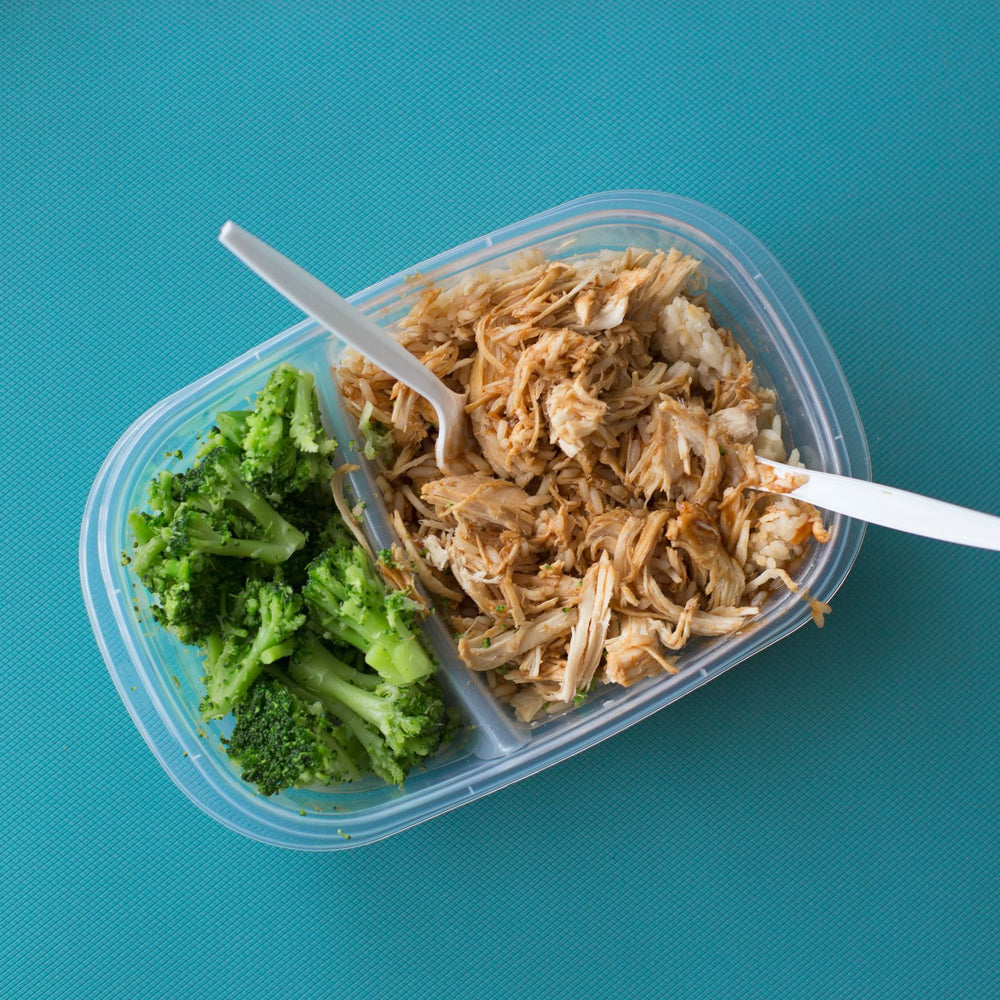
Plastic containers are lightweight, inexpensive, and ubiquitous – it's no wonder they often end up in the microwave. But practical for storage doesn't automatically mean ideal for heat.
Plastic isn't inherently bad – but it's worth taking a closer look when heating. The material and application are crucial, not the price or convenience.
What Swiss authorities say about this
The FSVO explains that packaging, dishes, and kitchen utensils can contain substances that transfer into food. Therefore, these materials are legally regulated – explicitly including printed plastics and packaging.
In its factsheet on microwave ovens, the FOPH points out that microwaves heat food directly – and that operating instructions and safe use should be observed.
Why this is relevant in everyday life
Not all plastic is the same. Not every container that works well in the refrigerator or freezer is automatically suitable for high temperatures or repeated heating.
Typical problems with plastic containers
In everyday life, you often notice the difference first during use: containers discolour, absorb odours, look worn after frequent heating – and are rarely designed to cover several steps simultaneously.
Plastic box or silicone mold?
| Feature | Plastic box | FRiBA FlexForm |
|---|---|---|
| Storage | Yes | Yes, with lid |
| Oven / high heat | Often not suitable | Oven-safe up to 250 °C |
| Freezing | Yes | Yes, up to −50 °C |
| Stability when carrying | Mostly good | Metal frame |
| Exact portioning | Rare | ml scale |

Why silicone makes more sense here
FRiBA silicone molds are not just containers, but a more thought-out solution for several steps in everyday life: portioning, freezing, and later heating – without constant transferring. They also come with metal frames, ml markings, and lids.
- Plastic is practical for storage, but not automatically ideal for heating.
- Packaging and kitchen utensils are legally regulated in Switzerland (FSVO).
- Not all plastics tolerate high or repeated heat.
- High-quality silicone molds combine storage, freezing, and heating in one.
- FSVO - Materials and articles in contact with food
- FSVO - Packaging
- FOPH - Factsheet Microwave Oven
